Key takeaways
- Keep one 'after 5 pm' drawer of printed activities
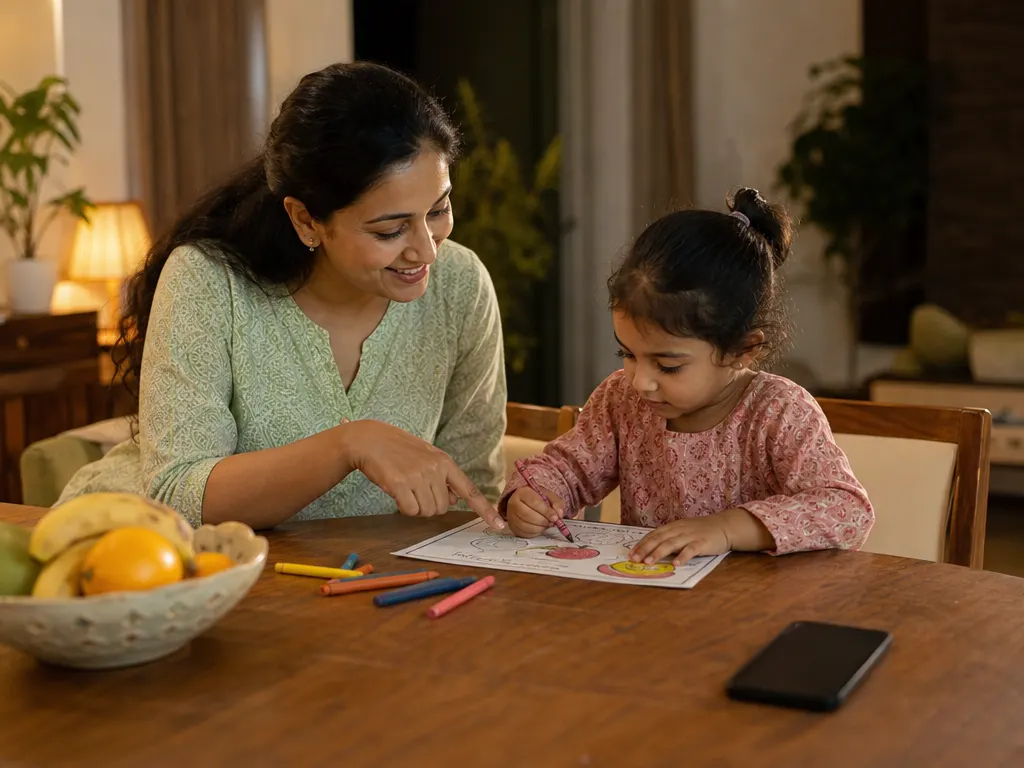
- Put tracing or colouring at the dining table while you cook
- Expect four days of pushback, then it settles
- Swap one evening slot this week, not the whole day
It's 6 pm. Dinner isn't ready, you have one call left, and your 4-year-old is asking for the phone "for five minutes". Most of us hand it over. This article is not about guilt — it's about having a better default ready for that exact moment.
Below are seven routines that parents in Chennai, Bengaluru and Pune told us actually stick. Each takes under two minutes to set up.
1. The "one drawer" rule
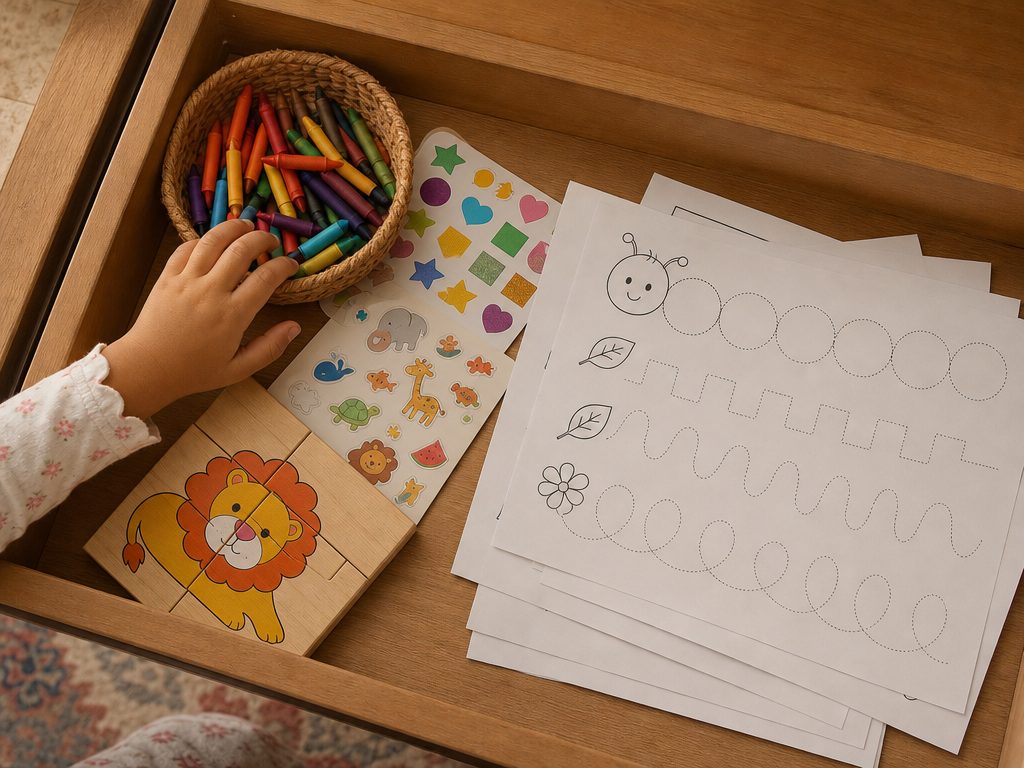
Keep one kitchen drawer or box that only opens after 5 pm. Inside: crayons, a few printed colouring pages, a small puzzle, stickers. The novelty comes from the drawer being closed all day, not from new toys. Refill the printed pages once a week.
2. Trace while you cook
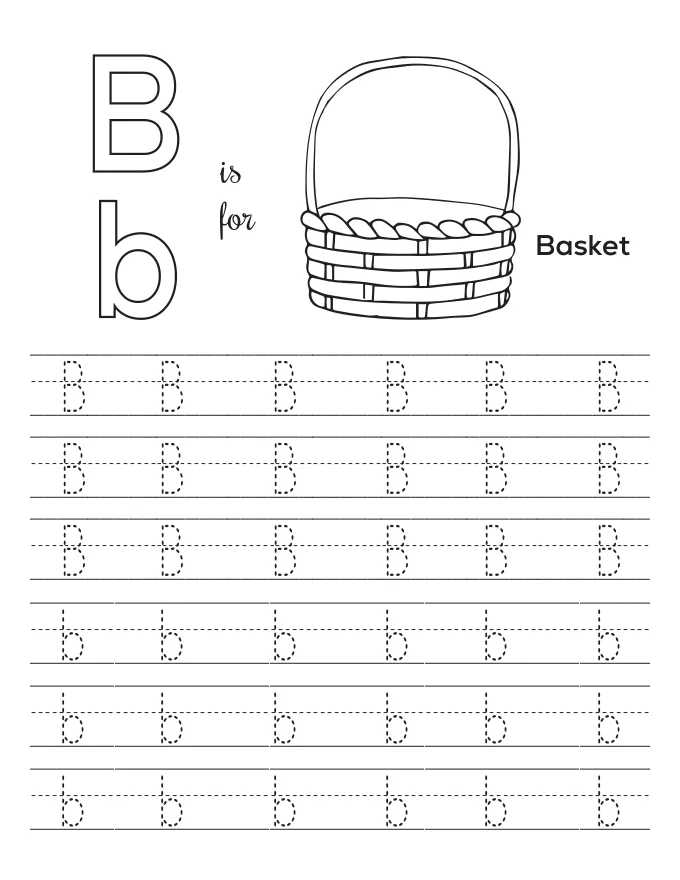
Give your child a tracing sheet at the dining table while you cook. Line tracing for 2–3 year olds, letters and numbers for 3–5. It sits right in your line of sight, so you can praise without stopping. Ten minutes of tracing is roughly one episode of a cartoon — but it builds pencil grip instead of consuming it.
3. The "helper" job
Toddlers want to be part of what you're doing. Give them a real, safe job: washing tomatoes, tearing coriander, sorting dals into bowls (this is a maths activity in disguise). It's slower for you. It's also the highest-value 15 minutes of the day.
4. Bath time, extended
Add ten minutes. Cups, a sieve, a plastic bottle with holes punched in it. Water play is the most under-rated screen-free activity because it needs zero preparation and calms an over-stimulated child before dinner.
5. Story with a twist
Read the same book, but tonight your child "reads" it to you from the pictures. Or stop before the last page and ask, "What happens next?" This is comprehension practice that feels like a game.
6. Colour together, not "go colour"
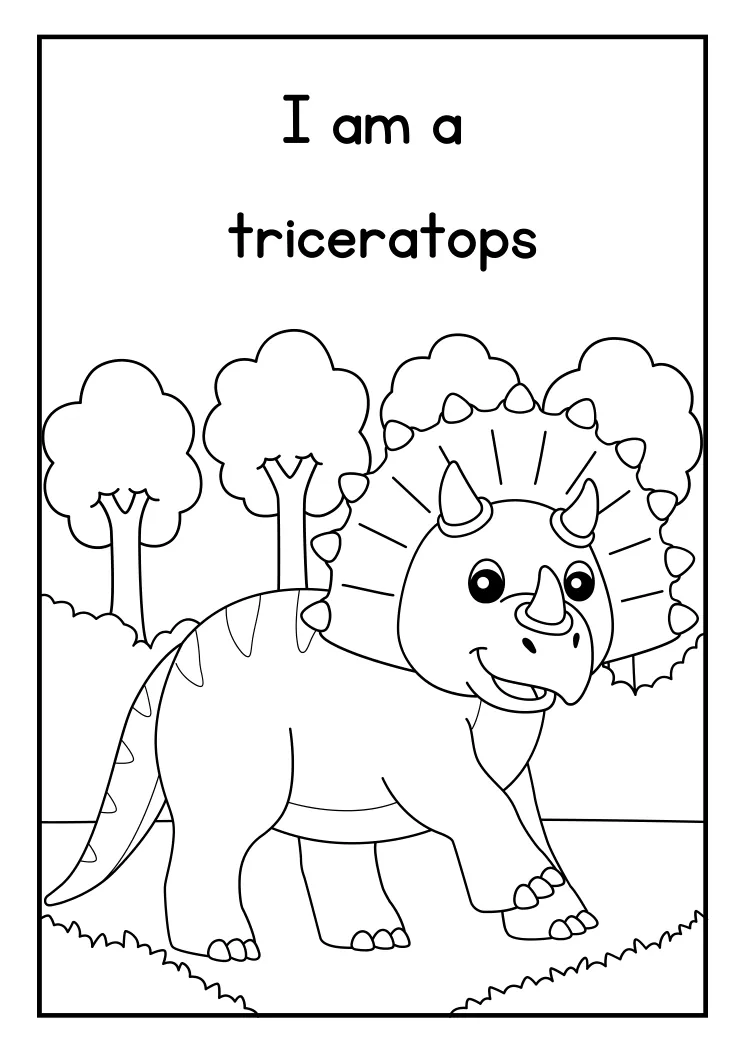
The difference between a 2-minute and a 20-minute colouring session is usually whether an adult sat down for the first two minutes. Print two copies of the same page. You colour one, they colour the other. Then walk away — they'll keep going.
7. The bedtime chart
A simple printed chart with pictures — brush, pyjamas, story, lights off — that your child ticks or stickers each night. Children who see the routine argue less about it. Reward charts work best when the reward is a sticker, not a screen.
What about the tantrum when you say no?
Expect it for about four days. Screens are designed to be hard to stop. Say the same short sentence every time ("Phone is finished. Let's do the drawer.") and go straight to the alternative. Consistency beats explanation with children under six.
A realistic target
Indian paediatric guidelines suggest no screens under 2 and under one hour a day for 2–5 year olds. You don't have to reach that this week. Replacing one evening slot with something from this list is a real win — build from there.
Every activity above that needs a printable — tracing sheets, colouring pages, reward charts — is in the PrintNPlay Kids library, sorted by age so you don't have to search.
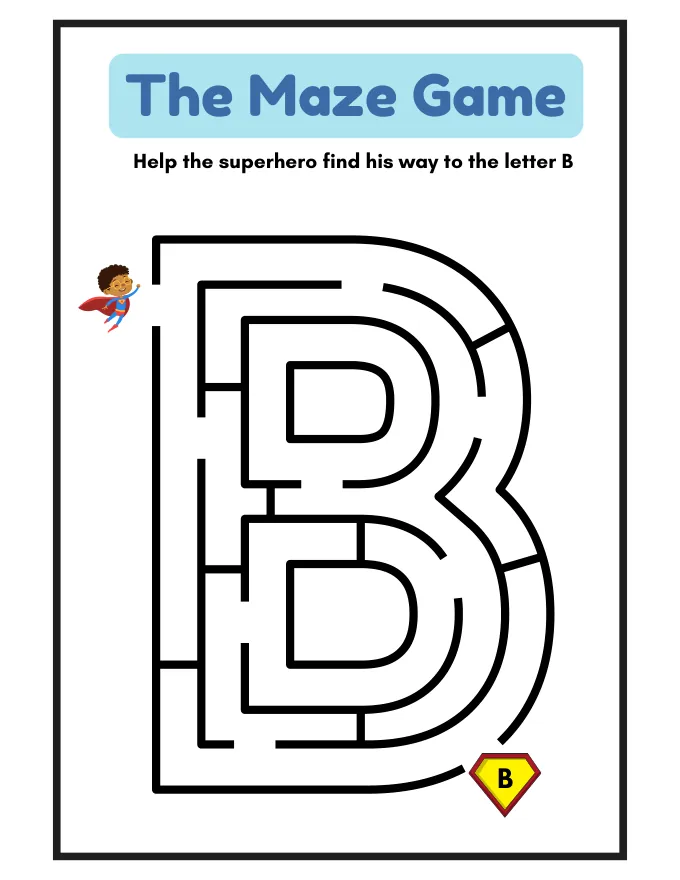
Printables mentioned in this article
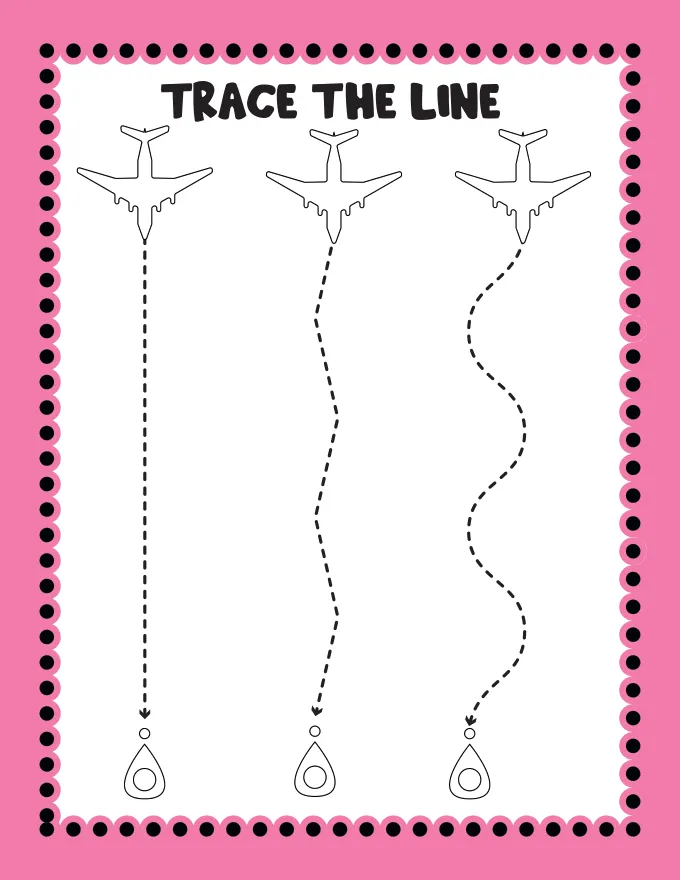
Want printable activities instead of screens?
19,000+ printable pages for ages 2–8 — tracing, colouring, maths, mazes, flashcards — sorted by age. Print at home, reuse forever.
WhatsApp us your child's age Get 10 free pages