Key takeaways
- Start with 10–15 minutes, not a full workbook
- Choose one skill per sitting
- Use free pages before buying a larger bundle
If you are looking for free printable worksheets for a 3 year old in India, start with three skills: pencil control, matching, and simple colouring. Print one or two pages at a time, sit beside your child for 10–15 minutes, and stop while the activity is still enjoyable. At this age, the goal is familiarity and confidence—not finishing a thick worksheet book.
A useful worksheet routine can work in a small apartment, after school, or during a screen-free evening. You do not need a colour printer, expensive stationery, or formal teaching experience. You need a few suitable pages, short instructions, and permission for your child to learn through large movements, mistakes, and repetition.
What should a 3 year old practise on worksheets?
A three year old is usually ready for activities that build the foundations of later writing and early learning. The page should be visually clear, with large shapes and enough empty space for a young hand. Good first choices include:
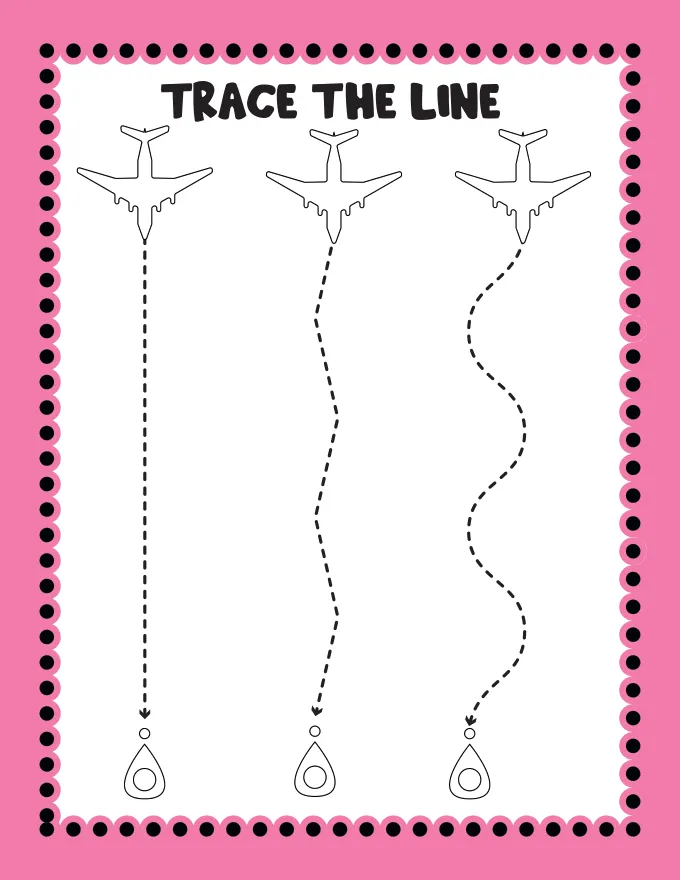
- Pre-writing lines: Trace straight, curved, zigzag, and looping paths. These help a child practise moving from left to right without demanding perfect letters.
- Matching: Match identical pictures, shapes, colours, or objects. Begin with four to six choices and increase only when the task feels easy.
- Sorting: Group familiar objects by colour, size, or type. A page can be followed by a real-life version using socks, spoons, or building blocks.
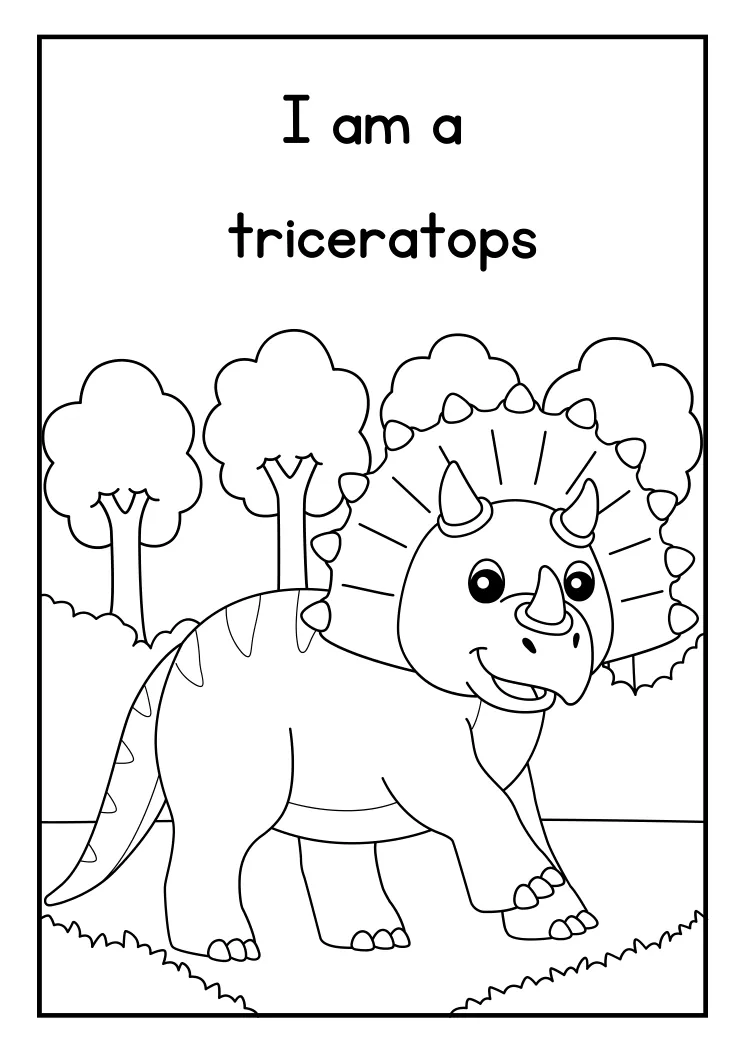
- Simple colouring: Offer one large picture rather than a page crowded with tiny details. Holding a crayon, choosing a colour, and filling part of a shape are all worthwhile.
- Visual discrimination: Find the larger object, the different picture, or the item that belongs in a group. Use everyday words such as “same,” “different,” “big,” and “small.”
Do not treat every page as a test. If your child can explain a choice but does not colour inside the outline, the learning is still useful.
How can parents use free worksheets at home?
Start by choosing a quiet time when your child is fed and rested. Put two crayons and one pencil or thick crayon on the table. Show the page, name the activity in one sentence, and complete the first example together. Then let your child try while you observe rather than correcting every mark.
A simple 15-minute session looks like this:
- Warm up for two minutes. Draw roads, circles, or lines on scrap paper. Let your child move the whole arm before asking for smaller pencil movements.
- Work for seven minutes. Choose one worksheet skill. Give one instruction at a time: “Follow the road to the tree” is easier than explaining the entire page.
- Talk for three minutes. Ask your child to name colours, objects, or patterns on the page. This adds language practice without turning the worksheet into a quiz.
- Finish for three minutes. Let your child choose a sticker, show another family member, or put the page in a folder. A calm ending makes the next session easier.
Some days your child will finish quickly; some days they will scribble and leave. Keep the routine flexible. A three year old may learn more from two engaged minutes than from twenty minutes of pressure.
Which free printable pages are best for a 3 year old?
Use the free printable worksheet pages first. Look for large, uncluttered pages with one clear action. A good sequence is: one page of lines, one matching page, and one large colouring page across three separate sessions.
Before printing, check four things:
- The instructions are short enough to say aloud.
- The pictures are familiar to your child, such as fruits, animals, vehicles, or household objects.
- The page does not require reading words independently.
- There is enough space for a thick crayon or beginner pencil grip.
Black-and-white printing is completely suitable. It often gives your child an extra decision—choosing which colours to use—and reduces the pressure to “match” a sample. If you have a laminator or a transparent file sleeve, you can reuse a page with a whiteboard marker, but ordinary paper is enough to begin.
How do you keep worksheets from becoming stressful?
Keep the adult role small. You can point, model, and encourage, but avoid holding your child’s hand through every line. If the pencil grip is awkward, offer a thicker crayon and add play activities such as tearing paper, using dough, threading large beads, or squeezing a spray bottle with supervision.
Use neutral language. Try “You started at the top” or “You found two that match” instead of “That is wrong” or “Stay inside the line.” When a page is too difficult, simplify it: cover half the choices, trace one path with a finger, or do the first three items and stop.
A worksheet is not a replacement for conversation, outdoor play, pretend play, or hands-on materials. Rotate it with blocks, picture books, household sorting, and drawing on a large sheet of paper. This keeps practice varied and helps your child connect the printed symbol to real actions.
When should you move from free pages to a larger set?
Move on when your child asks for another page, recognises the routine, or can complete a familiar activity with less help. There is no need to buy a large set just because a child is three. First see which activities hold their attention and whether printing at home fits your routine.
For families who want everything organised in one place, PrintNPlay Complete includes 23,000+ printable pages for ages 2–8 and costs ₹199 as a one-time purchase. It is an optional next step, not a requirement for early learning. You can see the complete pack after trying the free pages and deciding whether a larger library would save you preparation time.
How often should a 3 year old do worksheets?
Two or three short sessions a week are enough to build a pleasant habit. Increase frequency only if your child enjoys it. Keep a small folder with finished pages and date them; this helps you notice progress in control, attention, vocabulary, and confidence without comparing your child with another child.
If your child consistently avoids using one hand, seems distressed by ordinary visual tasks, or cannot see the page comfortably, pause and discuss your concern with a qualified paediatrician or occupational therapist. A worksheet cannot diagnose a developmental difficulty, and online checklists should not replace professional advice.
Frequently asked questions
Are free printable worksheets suitable for 3 year olds?
Yes, when the pages use large pictures, one simple task, and short sessions. Start with tracing paths, matching, sorting, and large colouring pictures rather than reading or dense writing practice.
How long should a worksheet session last for a 3 year old?
Begin with 10–15 minutes, including a short warm-up and a calm finish. Stop earlier if your child is tired or frustrated; consistency matters more than completing a page.
Do I need a colour printer for preschool worksheets?
No. Black-and-white worksheets work well for tracing, matching, sorting, and colouring. Let your child add colour with crayons if you want a more hands-on activity.
What is included in PrintNPlay Complete?
PrintNPlay Complete has 23,000+ printable pages for children ages 2–8 and costs ₹199 one time. Families can try the free pages before deciding whether the full organised library is useful for them.
Printables mentioned in this article
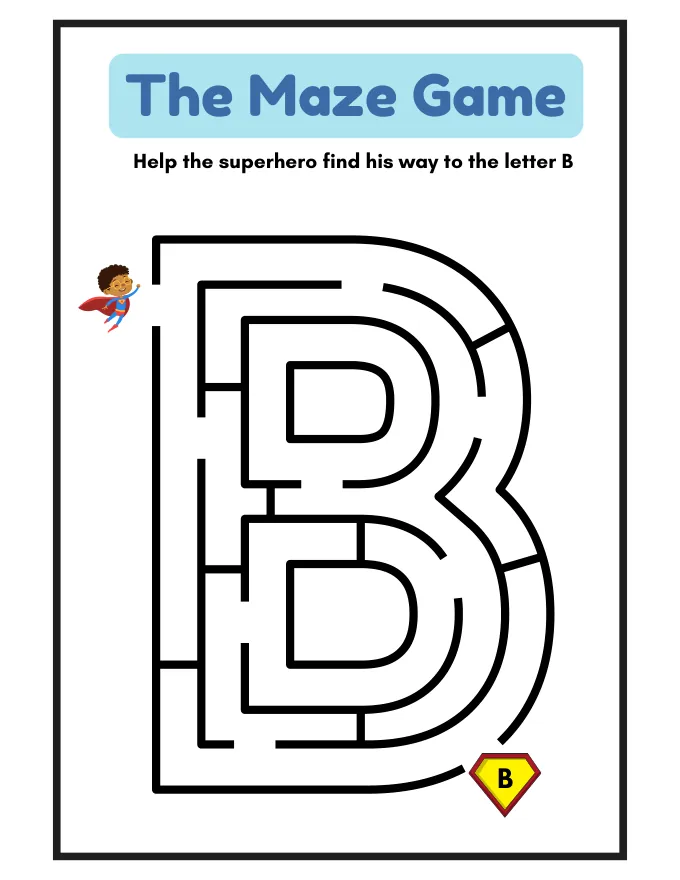
Want printable activities instead of screens?
19,000+ printable pages for ages 2–8 — tracing, colouring, maths, mazes, flashcards — sorted by age. Print at home, reuse forever.
WhatsApp us your child's age Get 10 free pages