
Key takeaways
- Cut screens in steps, not in one day — halve first, then trim
- Warn before the screen goes off: 5 minutes, 2 minutes, last video
- Keep a swap box ready so "no phone" is followed by "yes, this"
- Fix the three danger slots: waking up, lunch, and 6 pm
- Realistic target: under 45 minutes a day by week two
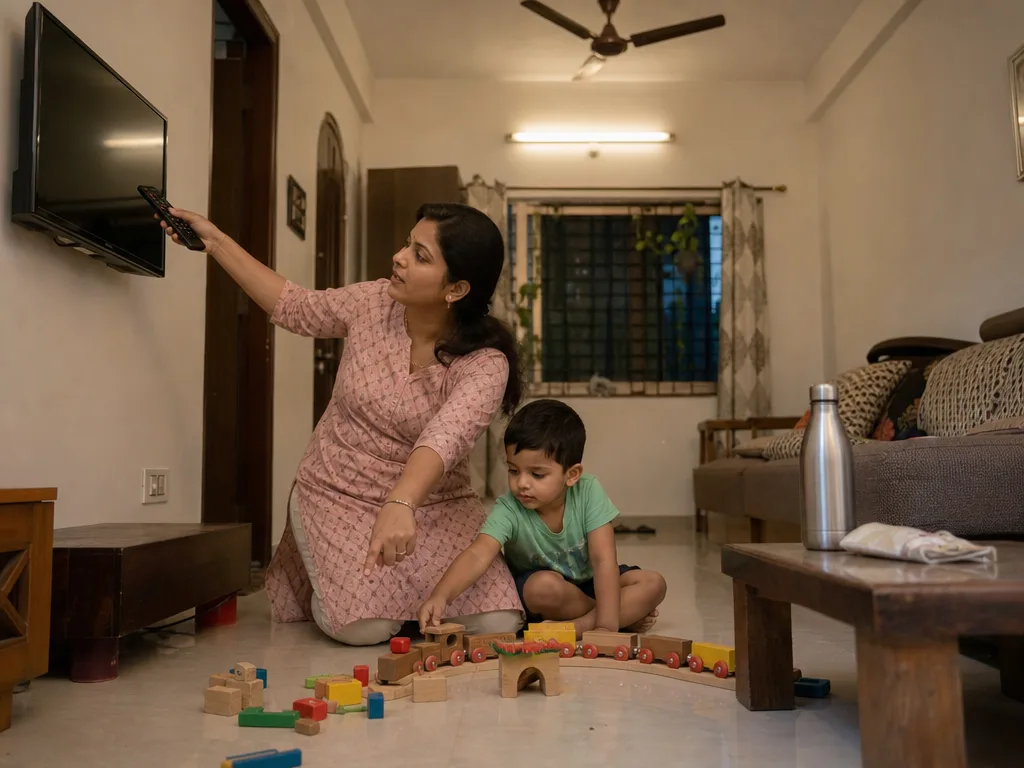
If your child cries, throws the remote or lies on the floor the moment YouTube goes off, you are not doing anything wrong. A 3-year-old's brain cannot switch off a bright, fast-moving screen and calmly pick up a block. The tantrum is the switch-off cost. The good news: the cost drops fast once the routine changes, and it usually takes about two weeks.
Why does my toddler cry when the screen goes off?
Three reasons, and they all have fixes.
- No warning. The phone disappears mid-rhyme. To a 2-year-old that feels like a toy being snatched.
- Nothing to do next. The screen goes off and the child is standing in the hall with empty hands. Boredom plus a dopamine crash equals screaming.
- The screen fills a real gap. Mostly it is your gap: cooking at 7 pm, a work call, the 20 minutes before school pick-up. Remove the screen without filling the gap and it comes straight back.
So the plan does not start with "ban screens". It starts with warnings, a replacement, and fixing the three slots where screens creep in.
Step 1: Count the real number before you cut it
For two days, change nothing. Just note when the screen goes on and off — phone, TV, tablet, the grandparent's phone too. Most parents who do this find 2 to 4 hours a day, not the "just a little bit" they assumed. Write the total on the fridge. That is the number you are working on.
Step 2: Halve it first, then trim
Going from 3 hours to zero on a Monday guarantees a week of meltdowns. Instead:
- Days 1–4: cut the total by half. Keep the child's favourite one slot (say, 20 minutes after bath) and remove the rest.
- Days 5–9: bring the remaining slot down to 30 minutes.
- Days 10–14: hold at 30–45 minutes. Do not go for zero unless you genuinely want that; most families settle at one short, predictable slot.
Predictability matters more than the exact number. "Cartoon after bath, then dinner" is a routine. "Cartoon whenever Amma is busy" is a negotiation, and toddlers negotiate better than you.
Step 3: The 5-2-last warning
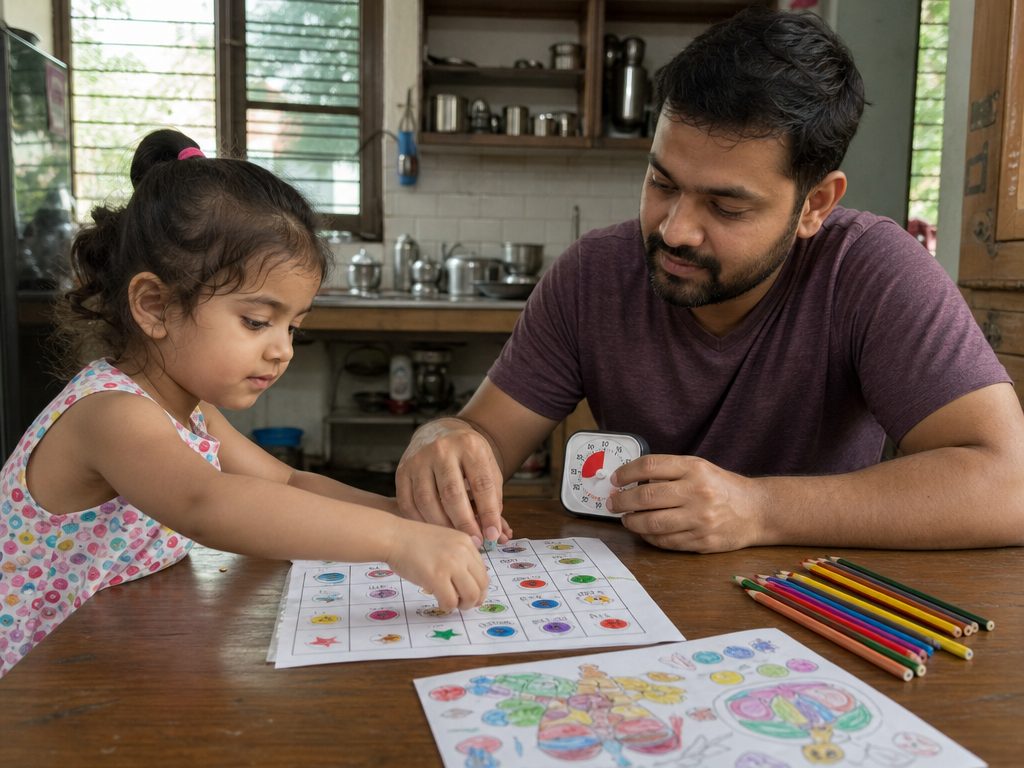
This single habit removes more tantrums than anything else.
- At 5 minutes left, say it and show it: "Five minutes, then off. Look, timer." Use the kitchen timer or the phone alarm, not your voice — a timer is not something a child can argue with.
- At 2 minutes: "Two minutes. Last video after this one."
- At the end: "Last video is over. Timer rang. Off." Then switch it off yourself. Do not ask "shall we switch it off?" — that is a question, and the answer is always no.
Expect crying on days 1 to 3. Do not restart the screen to stop it, or you have taught that crying restarts the screen. Say "you're sad it's over, I know", and move to Step 4.
Step 4: Keep a swap box ready
"No phone" has to be followed immediately by "yes, this". Keep a shoebox or a plastic dabba near the sofa with things that only come out at screen-off time:
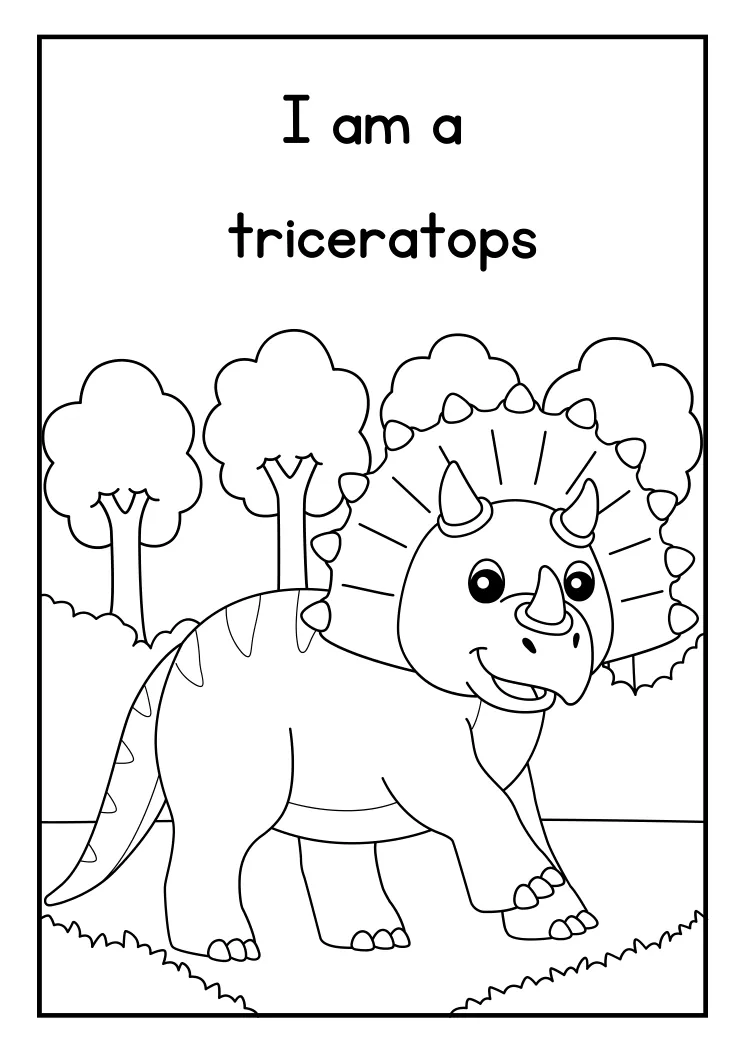
- A small colouring sheet and 4 crayons (not the full box — fewer choices, less fuss)
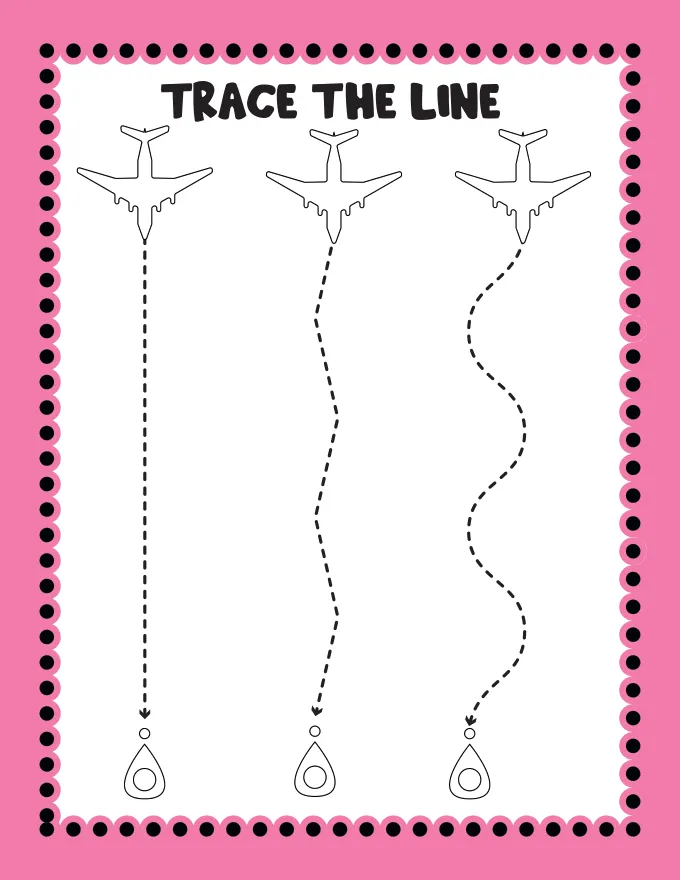
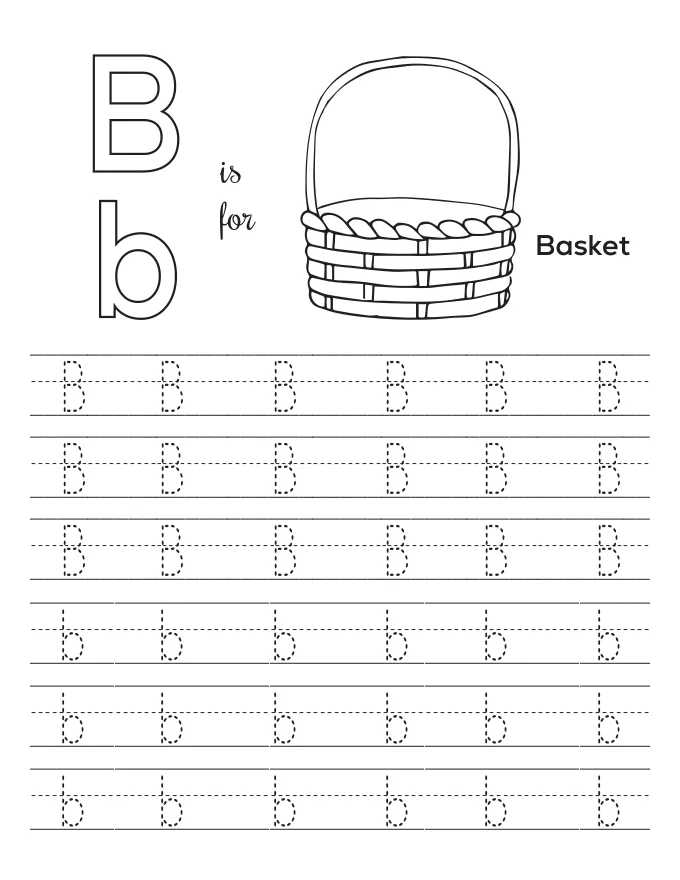
- A tracing sheet for 3+ year olds
- 6–8 old flashcards to sort into "animals" and "not animals"
- A steel katori, a spoon and a bowl of rajma to scoop and transfer
- One car, one doll, one puzzle — rotate weekly
Hand it over the moment the screen goes off: "Timer rang. Here's your box." It holds attention for the 10 minutes the craving takes to pass.
Step 5: Fix the three danger slots
Waking up. If the phone is the first thing they see, the day starts with a screen fight. Keep it out of sight until after breakfast. A 5-minute song, or "help me put the milk packets in the fridge", covers the gap.
Lunch and tiffin time. Cartoon-with-meals is the hardest habit to break because it works — they eat. Move the screen to after the meal for three days, then drop it. Eat with them and let them feed themselves even if it takes 25 minutes.
6 pm. You are cooking, the child is tired, the screen goes on. What works: a stool at the counter with a task (washing tomatoes, peeling garlic, stirring atta), the swap box on the kitchen floor, or the evening walk with a grandparent. On a monsoon evening when nobody can go out, a bucket of water and cups in the bathroom buys 20 minutes.
What about grandparents and the always-on TV?
In a joint family, this is the real obstacle. Ask for one room, not the whole house: "The bedroom is screen-free, please keep the TV in the hall." Then give the grandparent a role in the replacement — the walk, the story, the katori game. Grandparents rarely say no to being the fun one.
A realistic target
- Week 1: screen time halved. Two or three big tantrums, shorter each day. Warnings given every time.
- Week 2: one fixed slot of 30–45 minutes. Crying at switch-off lasts under a minute, or stops. The swap box works most days.
- Week 3 onwards: the child asks for the box instead of the phone at least sometimes. That is the win.
If you slip on a sick day or a long car journey, nothing is ruined. Back to the timer the next morning.
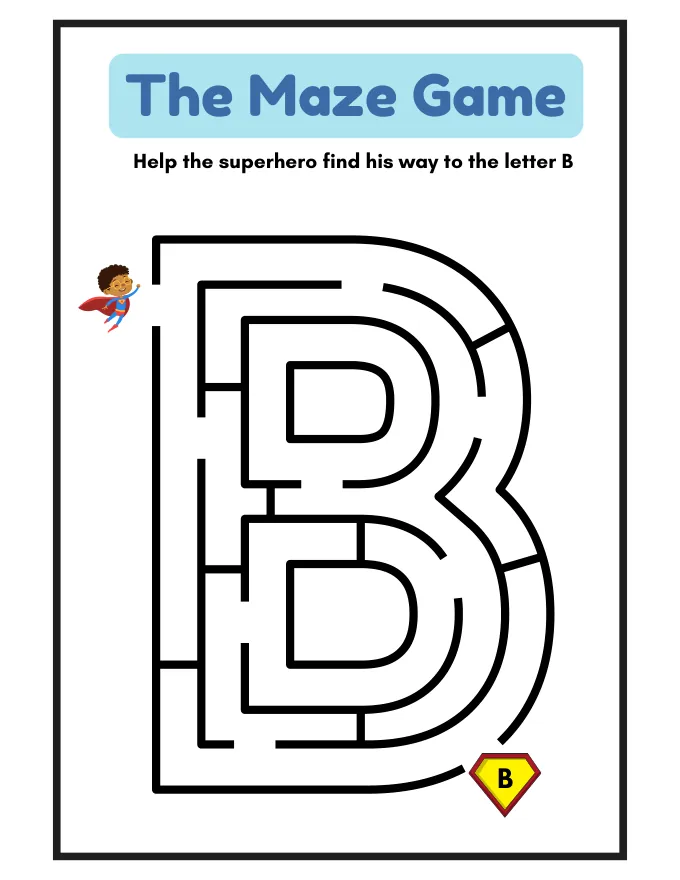
For the swap box: the colouring, tracing, flashcards and reward charts in the PrintNPlay Kids library are sorted by age (2–3, 3–4, 4–6, 6–8), so you can print a fresh set each week without hunting for the right level.
Printables mentioned in this article
Want printable activities instead of screens?
19,000+ printable pages for ages 2–8 — tracing, colouring, maths, mazes, flashcards — sorted by age. Print at home, reuse forever.
WhatsApp us your child's age Get 10 free pages