Key takeaways
- Match worksheets to your child's current skill, not only the school class
- Print one short skill set at a time
- Combine paper practice with talk, play and real objects
For LKG and UKG worksheets PDF practice at home, start with one clear skill at your child's level: pencil control, letter recognition, counting, or picture matching. Print a small set, spend 10–15 minutes on it, and stop before the activity becomes a daily battle. LKG usually needs large, playful foundation activities; UKG can gradually add simple phonics, number writing, Hindi recognition, and short independent tasks.
A worksheet is most useful when it makes practice easy for the parent and achievable for the child. You do not need to print an entire school-year workbook on the first day.
What is the difference between LKG and UKG worksheets?
LKG and UKG are not identical levels, even though schools use different books and lesson sequences. In general, LKG worksheets support readiness: holding a crayon, following a path, noticing shapes, sorting pictures, recognising familiar letters, and counting real objects. UKG worksheets can build on those skills with more tracing, beginning sounds, number formation, simple patterns, and early reading or writing practice.
Use your child's ability as the guide. A confident LKG child may enjoy a few UKG-style pages, while a UKG child may still need pre-writing or matching pages on a tired day. The correct worksheet is the one your child can understand with a short explanation and complete with reasonable effort.
Which LKG worksheets should you print first?
For a child beginning LKG, choose pages that strengthen the foundations of classroom work:
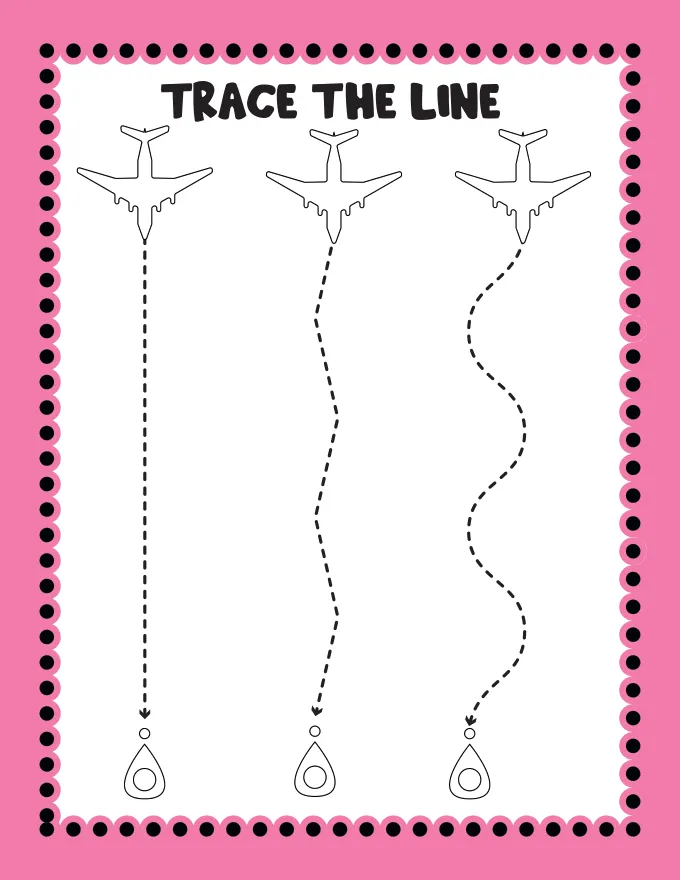
- Pre-writing lines: straight, curved, standing, sleeping, zigzag, and looped lines. Let the child trace with a finger before using a pencil.
- Shape and picture matching: match two identical objects, then move to matching a shape or object to its outline.
- Sorting and size: group pictures by colour, type, or size. Say the categories aloud while your child works.
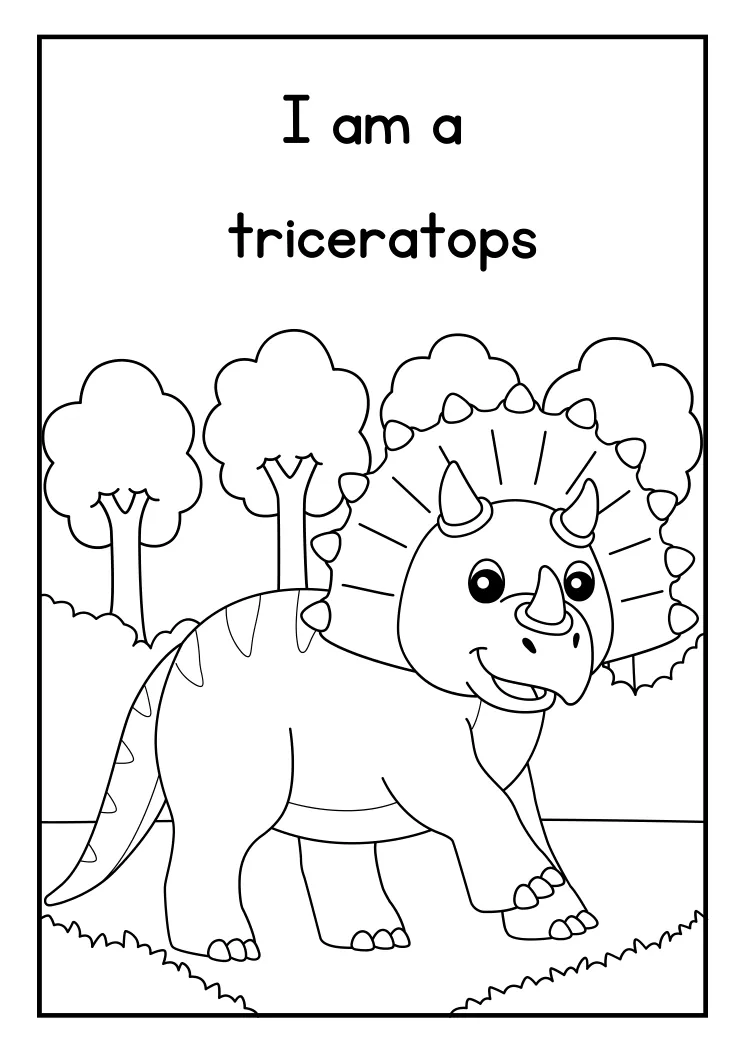
- Large colouring pages: choose familiar animals, fruits, vehicles, or household objects with uncluttered outlines.
- Counting pictures: count up to the range your child already understands using a finger to touch each object once.
Keep the page physically comfortable. A thick crayon, short pencil, or triangular beginner pencil can be easier to control than a long, thin pencil. If your child scribbles, turns the page around, or colours beyond the outline, treat that as information about practice needs—not as failure.
Which UKG worksheets help with school readiness?
UKG practice can become more structured, but it should still be short and concrete. Useful categories include:
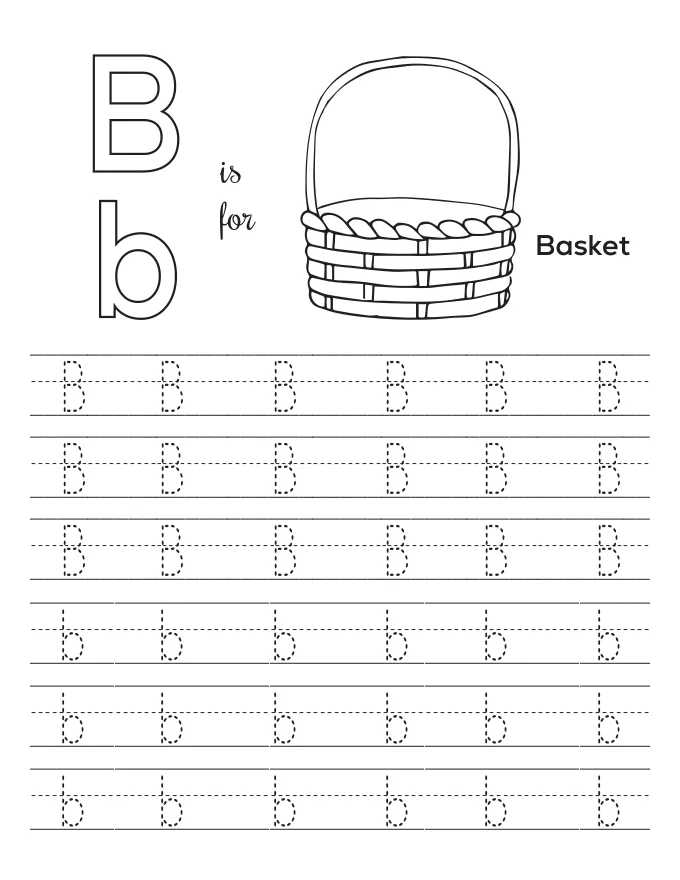
- Alphabet recognition: find a target letter among a small group, match uppercase and lowercase forms, or trace one large letter.
- Beginning sounds: connect a letter to a familiar picture when your child can say the word. Start with sounds that are easy to hear rather than asking for memorised lists.
- Number sense: count objects, match a number to a quantity, compare more and less, and trace numbers your child can already identify.
- Patterns: continue simple AB patterns with colours, shapes, or pictures before trying more complex sequences.
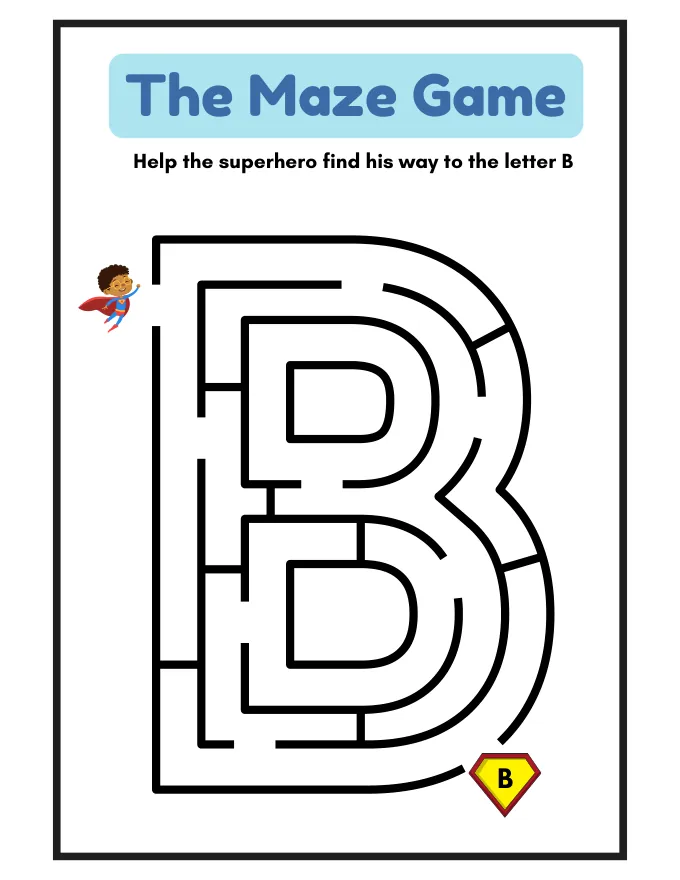
- Fine-motor practice: mazes, paths, dot-to-dot activities, and controlled colouring build the hand control needed for writing.
- Hindi exposure: use clear picture-to-letter or picture-to-word activities only when the child is ready. Say the Hindi word aloud and connect it to something familiar.
Do not use a phonics page as a test if your child is still learning to listen for sounds. Say the word slowly, exaggerate the first sound naturally, and accept an attempt. Conversation and picture books are part of phonics practice too.
How should parents use an LKG or UKG worksheet PDF at home?
A predictable routine is more helpful than a large print pile. Try this 15-minute pattern:
- Choose one page. Tell your child the single action: “Trace the roads to the house” or “Circle the pictures that start with /b/.”
- Model one example. Work slowly and say what you are doing. Do not complete the whole page for your child.
- Let the child work. Give a small prompt if needed, then allow time to think. Avoid correcting every line.
- Talk about the page. Ask your child to name a picture, count the objects, or explain a choice.
- Finish positively. Put the page in a folder, display one part, or let the child choose the next crayon colour.
Print in black and white when that is easier. Colour is not required for tracing, counting, letter recognition, or mazes. If you want reuse, place the sheet in a transparent sleeve and use a whiteboard marker, but ordinary paper works perfectly well.
How many worksheets should a child do in one sitting?
Begin with one or two pages, not a target number. For a younger LKG child, five to ten focused minutes may be enough. Many UKG children can manage 10–15 minutes for a familiar activity, with a movement break between skills. A completed page is less important than understanding the task and returning willingly another day.
Watch for signs to pause: pressing too hard, tearing the paper, guessing every answer, leaving the table repeatedly, or becoming upset. Change to drawing, blocks, a story, or a real-object counting game. Worksheets should support learning at home, not replace play, movement, conversation, or rest.
Where can parents find free LKG and UKG worksheets PDF pages?
Start with the free printable pages and print only the skills you want to practise this week. Before downloading or printing any worksheet PDF, check that the page has one obvious instruction, familiar pictures, enough space for a young hand, and no unnecessary visual clutter.
A simple weekly mix could be one pre-writing page, one counting page, one letter or sound page, and one colouring or maze page. Repeat a skill if your child enjoys it. Repetition is not wasted printing when it helps a child become more confident.
For families who want one organised library rather than searching for separate PDFs, PrintNPlay Complete includes 23,000+ printable pages for ages 2–8 and costs ₹199 as a one-time purchase. It is optional; try the free pages first, then see the complete pack if having many age- and skill-based activities together would save preparation time.
Frequently asked questions about LKG and UKG worksheets
Are LKG worksheets suitable for a 3 year old?
Some are. Choose large pre-writing, matching, sorting, colouring, and counting pages, and keep sessions short. Ignore the class label if the page is too difficult or too crowded.
What should a UKG child practise at home?
A balanced mix includes letter recognition, beginning sounds, number sense, patterns, pencil control, and age-appropriate Hindi exposure. Use one or two skills per session rather than a full worksheet pack at once.
Do I need a colour printer for LKG and UKG worksheets?
No. Black-and-white pages work for tracing, phonics, counting, matching, and mazes. Children can add their own colours when colouring is part of the activity.
How much does PrintNPlay Complete cost?
PrintNPlay Complete costs ₹199 as a one-time purchase and includes 23,000+ printable pages for children ages 2–8. Families can start with the free pages before deciding whether the organised library is useful.
Printables mentioned in this article
Want printable activities instead of screens?
19,000+ printable pages for ages 2–8 — tracing, colouring, maths, mazes, flashcards — sorted by age. Print at home, reuse forever.
WhatsApp us your child's age Get 10 free pages