Key takeaways
- Start with the sound, not the letter name
- Practise for 5–10 minutes with familiar objects
- Add tracing only after your child can hear the first sound
- Use free printable pages before buying a pack
The easiest way to teach letter sounds at home is to say one sound, connect it to a familiar object, and play a quick listening game. For most children aged 3–6, five to ten relaxed minutes is enough: begin with two or three sounds, repeat them across the week, and stop before your child becomes frustrated.
Letter sounds are different from letter names. The letter M is called “em”, but its sound in a word is usually /m/ as in mango. This guide gives Indian parents a simple, screen-free routine that works with household objects and a few printable pages.
What should children learn before letter sounds?
Before formal phonics, your child needs opportunities to listen carefully and notice differences in speech. You do not need flashcards or a special teaching setup. Use everyday moments to build these foundations:
- Play a sound-matching game: “Do mango and mat start the same way?”
- Clap syllables in familiar words such as ba-na-na, pa-pa and um-brel-la.
- Read short picture books and pause to ask what the first sound is.
- Let your child handle crayons, blocks and play dough to build hand strength.
A child who cannot yet identify the first sound in a spoken word may need more listening games before a worksheet. That is normal. Keep the activity oral and playful rather than turning it into a test.
How do you teach the first letter sound?
Choose one sound that is easy to stretch and hear, such as /m/, /s/, /f/ or /n/. Avoid teaching several visually similar letters together at the beginning. For example, keep b and d apart until your child has had plenty of practice.
Use this four-step routine:
- Say the sound clearly. Use /m/, not “muh”, when possible. Do not add an extra vowel sound after the consonant.
- Show a real object. Hold up a mango, mug or mat and say, “Mango starts with /m/.”
- Let your child find another example. Look around the room for a spoon, sock or fan, depending on the sound.
- Finish with a choice. Ask, “Which starts with /m/: mango or banana?” Accept pointing or speaking as an answer.
Keep the pace quick. Three correct choices and one cheerful repetition are more useful than twenty forced examples.
Which letter sounds are best to teach first?
There is no single perfect order for every child, but a practical starting group includes sounds that are easy to hear and combine later. Many families begin with s, m, f, n, r, t, p and c. Teach the sound your child can hear and say comfortably, then add letters gradually.
Do not rush to teach all 26 letters in one week. A child who knows six sounds well can begin blending simple words more successfully than a child who has memorised the alphabet chart but cannot hear sounds inside words.
For bilingual or multilingual homes, keep the languages clear rather than mixing explanations. You can say the English sound, give an English example, and then explain the meaning in the language your family uses most. Indian children may also be learning the sounds and scripts of Hindi, Tamil, Telugu or another home language; that is a reason to use short sessions, not a reason to reduce conversation.
What games help children hear beginning sounds?
Try one game per day and repeat favourites. These need no screen and almost no preparation:
- Sound hunt: Pick /s/ and find a spoon, sock, soap or school bag. Only count words that really begin with /s/.
- Mystery bag: Put three safe household objects in a bag. Your child pulls one out and decides whether it starts with the target sound.
- Odd one out: Say sun, sock, mango. Ask which word does not start with /s/.
- Robot talk: Say a short word slowly in separate sounds, such as /s/ /a/ /t/, and let your child guess it. Use this only when listening to individual sounds is already easy.
- Sound picnic: Choose foods beginning with one sound, such as banana and bread, and say the first sound before taking a bite.
Avoid correcting every attempt immediately. Model the sound again, offer two choices, and praise careful listening: “You heard that sun and sock matched.”
When should you add letter tracing?
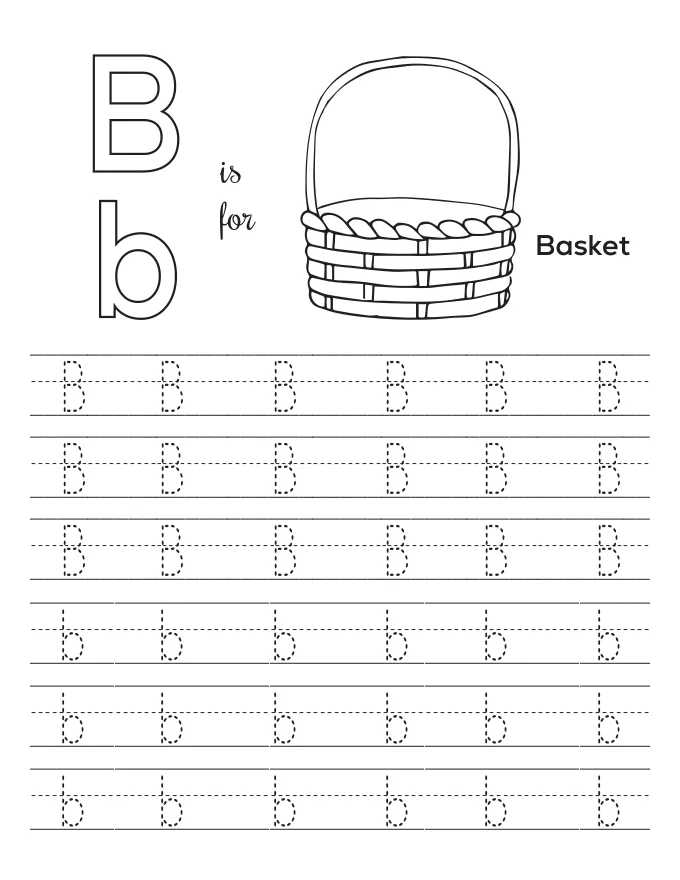
Add tracing after your child can hear the beginning sound in several spoken words. Start with large movements: draw the letter in flour, trace it in the air, or make it with play dough. Then use a pencil for one or two rows, not a full page.
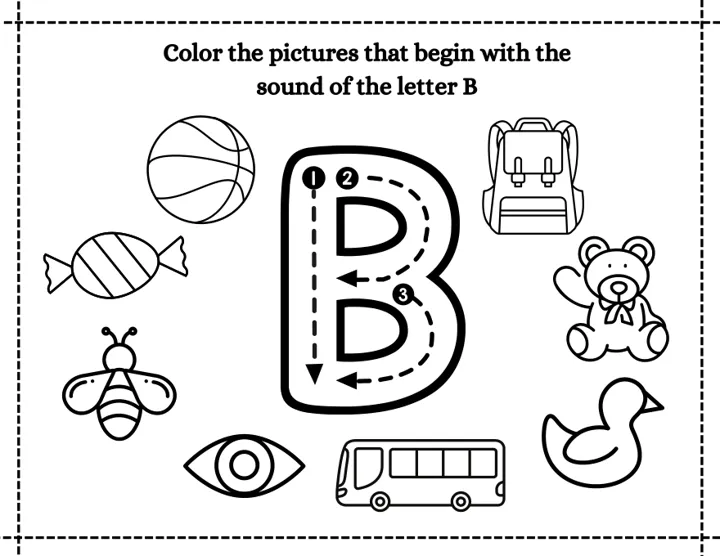
A beginning-sounds worksheet is useful when it reinforces listening: your child can say the picture names, circle the pictures with the target sound, and then trace the letter. This printable beginning-sounds preview shows the type of short practice that can follow the game.
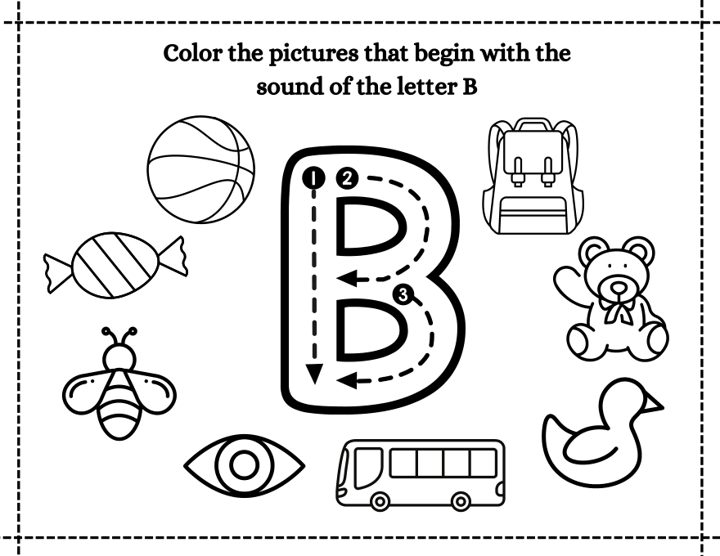
For free practice, start with the free printable pages. If you want a larger set organised for ages 2–8, PrintNPlay Complete includes 23,000+ printable pages for a one-time ₹199 purchase; see the PrintNPlay Complete pack after your child has tried the free pages.
How long should a phonics session be at home?
For ages 3–4, begin with five minutes of listening and object games. For ages 4–6, try five to ten minutes, adding a small amount of tracing only when your child is ready. One short session most days is better than a long weekend lesson.
A simple weekly pattern is:
- Monday: introduce one sound with two objects.
- Tuesday: play a sound hunt.
- Wednesday: read a book and listen for the sound.
- Thursday: practise two picture choices on paper.
- Friday: review the sound and add one new object.
End with success. If your child is tired, say the sound together once and continue another day.
What if my child keeps confusing letter sounds?
Go back to listening and reduce the number of choices. Use one target sound and one contrasting sound, such as /m/ and /s/. Say the words naturally, repeat them slowly, and let your child point instead of writing.
Check that you are using a clean sound rather than adding “uh” to every consonant. Also check the picture names: choose words your child knows, and accept the pronunciation used in your family while keeping the target sound clear. If speech, hearing or learning concerns persist across settings, discuss them with your child’s teacher or a qualified professional.
Frequently asked questions about teaching letter sounds
At what age should I teach letter sounds?
Many children begin playful sound awareness around age 3 and more deliberate letter-sound practice between ages 4 and 6. Readiness varies, so follow your child’s attention and speech development rather than a strict birthday deadline.
Should I teach letter names or sounds first?
Teach both, but make the sound useful in words. Say the letter name briefly, then connect it to its sound and a familiar object. The goal is not to memorise a chart; it is to hear and use sounds in words.
How many letter sounds should we practise each day?
Practise one new sound at a time and review one or two familiar sounds. Five to ten minutes is enough for many preschool children.
Can worksheets teach phonics by themselves?
Worksheets work best after children hear the sound through speaking, listening and play. Use paper to reinforce a sound your child already understands, not as the only teaching method.
Printables mentioned in this article
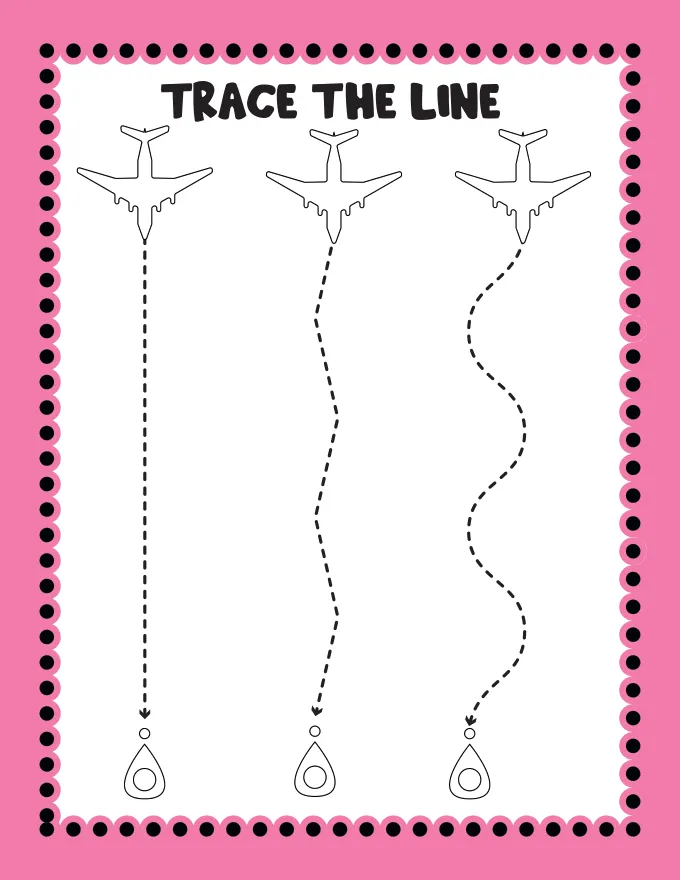
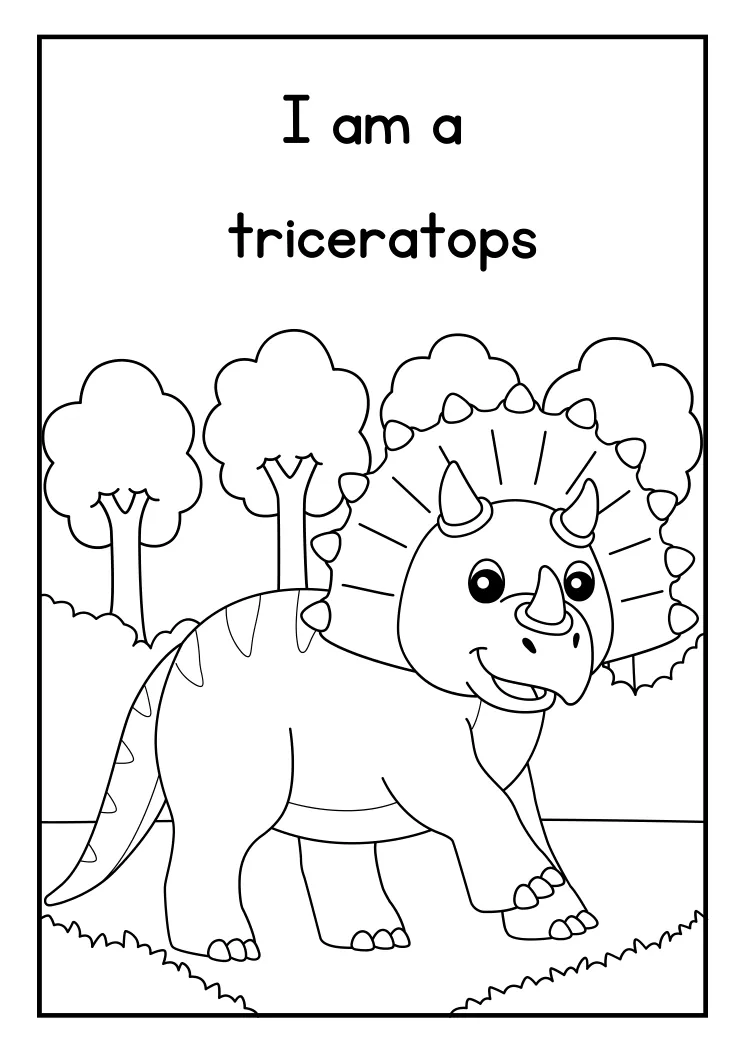
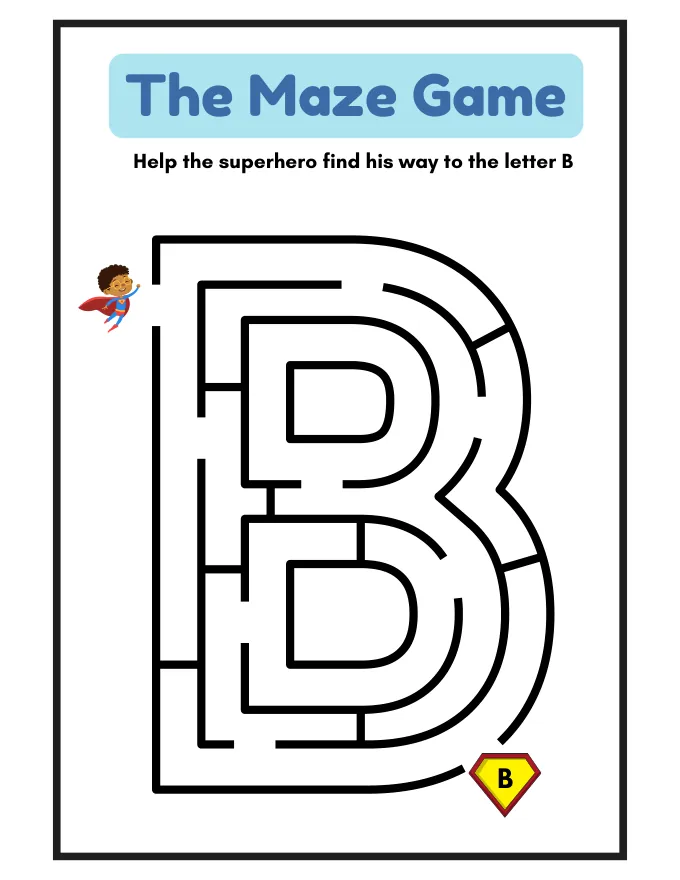
Want printable activities instead of screens?
19,000+ printable pages for ages 2–8 — tracing, colouring, maths, mazes, flashcards — sorted by age. Print at home, reuse forever.
WhatsApp us your child's age Get 10 free pages